Letters Take Days. Maybe That's the Point.
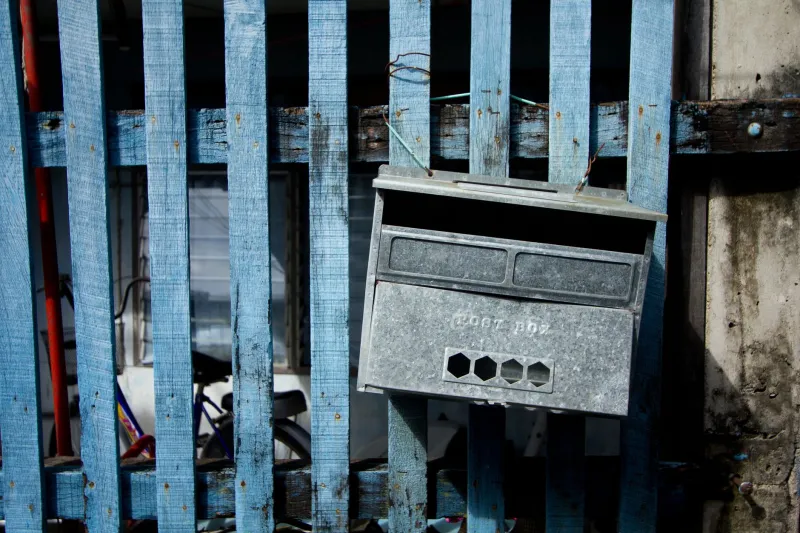
A reader wrote to me last spring — actual paper, actual stamp — and mentioned it had taken her a week to finish the letter because she kept rewriting it. I've thought about that sentence for months. A week. Rewriting. Not because she was stuck, but because she knew that once she dropped it in the mailbox, the words were gone. No edit button. No recall. Just ink and a promise.
I want to make the case that this is not an inconvenience to be solved. It's a technology we should steal back.
The Tyranny of the Instant Reply
Look at how we work now. A draft goes out at noon; feedback arrives by 12:40; the revision is expected by dinner. We've built a creative culture where the pause between making something and sharing it has collapsed to nearly nothing. And we're surprised — genuinely surprised — that everyone is exhausted.
Burnout, at least the creative kind, isn't really about volume. It's about the absence of lag. Lag is where judgment lives. Lag is where you notice the sentence that sounded clever at midnight and hollow by morning. When there's no lag, there's no discernment. There's only output.
What the Mailbox Knows
My grandmother mailed letters from her porch in Ohio every Sunday, and she never once seemed anxious about it. The letter would take three days to arrive. The reply would take three days back. A full week for a conversation — and the conversations were richer than most of what fills my inbox.
Here's why: the delay forced a kind of compression. You couldn't fire off a reaction, so you had to decide what was actually worth saying. You wrote to the version of the person who'd receive the letter days later, which meant you wrote to the relationship, not the moment. That's exactly what good writing does. It addresses a reader who isn't standing in front of you yet.
Slower Habits, On Purpose
You don't need to revive snail mail to borrow its wisdom. A few things I've started doing:
The overnight rule. Nothing leaves my desk the day I write it. A draft that looked finished at 5 p.m. is almost always embarrassingly unfinished at 9 a.m. The mailbox gives everyone this grace for free. Take it.
One reply per day. For correspondence and comments alike, I answer one thing thoughtfully instead of ten things hastily. Fewer letters, better ones.
Write to be received later. When drafting, I imagine the reader encountering the piece on a Tuesday afternoon, not the algorithmic now. It changes the temperature of the prose. Less reactive. More durable.
Keep a stamped deadline. Literally put a stamp on the envelope of the thing you're mailing an editor, or a date on the calendar, and let it sit. Irreversibility sharpens attention like nothing else.
The Case for Delay
I know the counterargument: the market rewards speed, audiences expect immediacy, momentum matters. Fine. But the work I'm proudest of — the essays readers write to me about — all had one thing in common: they sat in a drawer for at least a week before anyone else saw them. They got their three days in the mailbox, even if the mailbox was metaphorical.
The slow mailbox isn't nostalgia. It's a scheduling system for thought. Delay is not the enemy of creative work; it's the secret ingredient. Put your words somewhere they can't be taken back — then give them the time to become worth that risk.