The Book I Read in Secret: A Defense of Unshared Reading
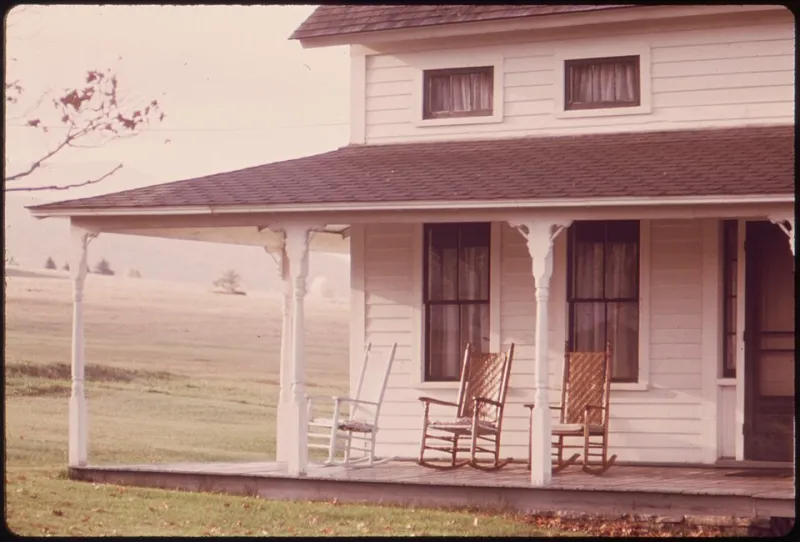
Photo: Anne LaBastille, Public domain, via Wikimedia Commons
Sometime in early March, I finished a novel on my back porch with a blanket over my knees and a cup of coffee gone cold beside me. I closed the cover, sat there for a while watching the sparrows work the feeder, and then I went inside and started making dinner.
That's it. That was the whole event.
No text to a friend. No note in my reading journal. No half-drafted paragraph for this newsletter. I didn't shelve it prominently or slide it toward a guest with a breathless you have to read this. The book went back on the shelf, spine out, and the experience of it — which was considerable, by the way, the kind of book that rearranges something in you — stayed exactly where it happened: inside me, on the porch, in March.
I've been turning that silence over ever since, because I honestly can't remember the last time I read something and told no one.
The Reading Life Became a Public Utility
I want to be careful here. I don't think sharing books is a corruption. Recommending a novel to a friend is one of the oldest and best things humans do with each other. My own reading life has been steered a hundred times by a stranger's earnest enthusiasm in a bookstore aisle.
But somewhere in the last decade, the telling became the point — or at least it started elbowing the reading itself for room. The Goodreads progress bar. the challenge tracker, the end-of-year list, the stack photo angled just so beside a mug. None of these are sins. Together, though, they create a low hum of audience in the back of the reading mind. You're not just reading anymore; you're compiling evidence of reading.
I've caught myself mid-page thinking about how I'd describe a book later. That's a strange way to live inside a story — one ear always turned toward the exit, toward the conversation you'll have about it afterward.
What Happened When Nobody Was Watching
The March book — I'll keep it unnamed, which I realize is its own kind of tease, but the anonymity is the whole argument — was read under no such conditions. Nobody knew I'd started it. Nobody knew I was midway through. Nobody was waiting for a verdict.
And something in my reading loosened up. I slowed down without trying. I reread pages not to memorize them for later quotation but because I wanted to sit in them again. I let myself be bored for a chapter and a half without concluding the book had failed me. The experience wasn't performed, so it couldn't be performed badly.
It occurred to me later that this is how I read as a kid, sprawled on the carpet with a Scholastic paperback, reading with a completeness that had no witnesses and needed none. Somewhere along the way I picked up the habit of reading with one eye on the rearview mirror, checking who might be following.
Keeping One Room Off the Tour
Writers know this feeling from the other side. There's a reason we keep certain drafts private — not because they're bad, but because explaining them too early changes what they are. Attention is a solvent. Once you pour it over a private thing in public, the thing is never quite the same shape again.
I wonder if readers need the same protection. A reading life that is entirely documented, entirely shared, leaves no room for the book that belongs only to you — the one that can't be reduced to a recommendation or a rating, the one that would somehow shrink if you handed it around.
So here's my modest proposal, offered mostly to myself: keep one room off the tour. Read something this season and tell no one. Not because sharing is bad, but because a book with no audience is the closest we get these days to reading the way we did before anyone was keeping score.
The sparrows, for the record, were unimpressed by the whole thing. Which is exactly as it should be.