The Girl With the Paperback Was Right: An Apology Owed to My Twenties
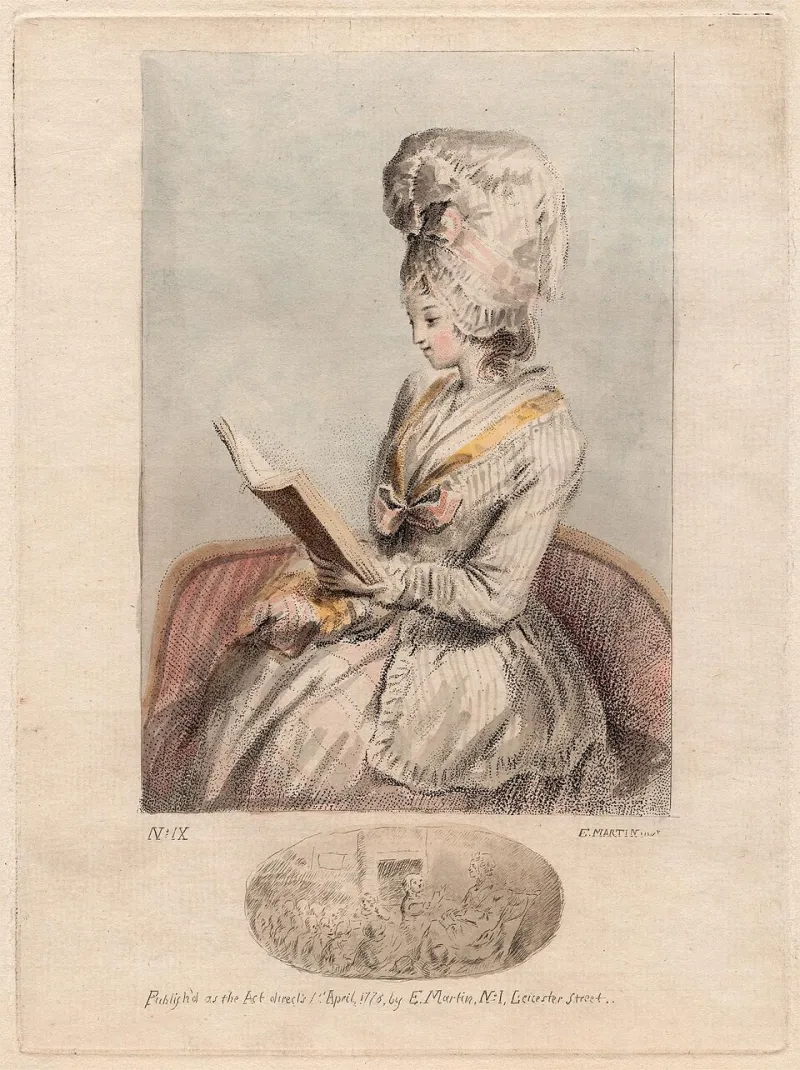
Photo: Elias Martin, CC0, via Wikimedia Commons
There is a photograph from the summer I turned twenty-four. It's a backyard cookout in Ohio, string lights, a cornhole board nobody's using, and in the corner of the frame — half out of focus, caught mid-turn toward the door — there I am, a paperback in one hand and a warm beer in the other, clearly on my way somewhere quieter.
For years I used that photo as evidence against myself. Look at her, I'd think. Look at her leaving early again.
The Case Against Twenty-Something Me
The indictment was long. I skipped my college roommate's housewarming because I was three chapters from the end of The Corrections. I let a friendship I loved wither rather than have one uncomfortable phone call. I turned down a road trip to Nashville because I'd just started a novel I couldn't put down, and I remember telling myself, with great seriousness, that the book mattered more.
When people ask what I did in my twenties, the honest answer is: I read. I read on porches and in break rooms and on the L, I read through holidays and breakups and one very bad job interview I'm still not over. I read the way some people run — compulsively, privately, with an air of virtue that covered a great deal of hiding.
I built a whole narrative about it, too. You're avoiding your life, I told myself somewhere around twenty-eight. Books are where you go so you don't have to be a person.
I believed that for a long time. I don't anymore.
What I Actually Learned in There
Here's what I've come to suspect: the girl with the paperback wasn't hiding from life. She was studying it — obliquely, inefficiently, but genuinely — because she didn't yet know how to do it in the room.
I learned how marriages fail from novels before I understood anything about love. I learned what grief does to a household, what resentment sounds like when it's polite, what courage costs when nobody's watching. I watched people make catastrophic choices in safe conditions, over and over, and something in me was taking notes the whole time. When my mother got sick a few years ago, I was terrified — and also, strangely, not surprised by my own terror, because I'd sat with a hundred fictional daughters in that exact hospital chair. I knew the shape of the room.
None of that is a substitute for living. But it isn't nothing, either. Fiction gave me a vocabulary for feelings I couldn't name out loud, and vocabulary turned out to be the thing I needed most when real life finally demanded a sentence from me.
The Conversations I'm Glad I Skipped
I want to be careful here, because this isn't one of those essays where the twist is "actually, avoiding things is great." Some of what I did in my twenties was avoidance, plain and simple, and it cost real people real warmth. The friend I let drift deserved a phone call. The party I skipped out of shyness dressed up as literary seriousness — that was just shyness with better PR.
But here's what I won't apologize for: the hours. The sheer, unproductive, gloriously selfish hours spent with other people's sentences. If I could go back, I wouldn't hand my younger self a pep talk. I'd hand her another book.
Because the conversations I avoided in my twenties? Most of them wouldn't have gone well anyway. I didn't know what I thought yet. I didn't have the words. I got them later, in the dark, one page at a time — and when the hard conversations finally came, in my thirties, I was ready for them in a way twenty-four-year-old me never could have been.
What I'd Tell Her Now
If I could sit down next to that blurred girl in the corner of the photograph, beer going warm in her hand, I wouldn't tell her to stay at the party. I'd tell her this:
The reading isn't the thing you're doing instead of your life. It's how you're building one. Slow down if you want to, say yes sometimes, call the friend — but don't you dare feel guilty about the hours. Some of us learn the world at a desk, through a window made of paper. That's not escape. That's just a different door into the same house.
She'd probably look at me the way she looked at everyone who interrupted her reading — politely, already halfway back to the page.
Good, I'd think. Keep going. It's all going to matter more than you know.